Ben Russell · 17 October 2026
Abandoned Warmstone Quarries Evolve into Regional Biodiversity Strongholds
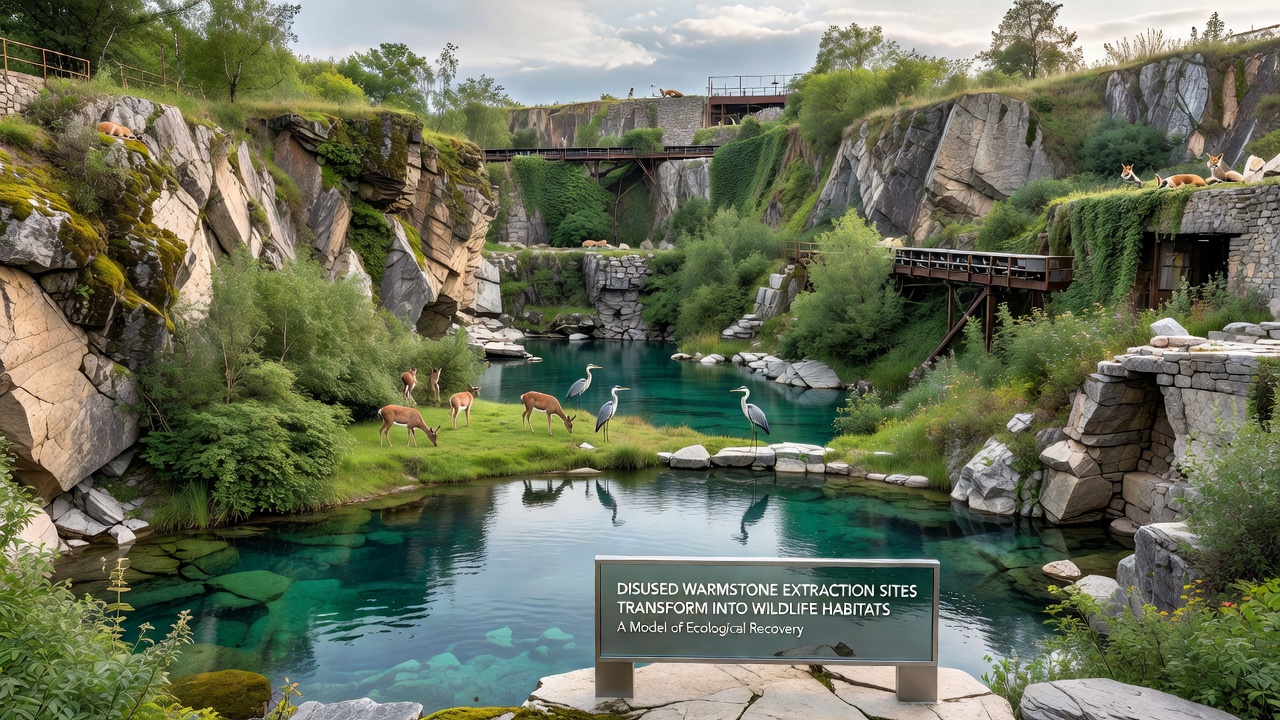
Disused warmstone extraction sites across multiple regions have shifted from industrial zones to functional wildlife habitats over the past three decades, with monitoring data showing measurable increases in species diversity at several locations. Researchers tracking these sites note that natural succession processes combined with targeted restoration efforts have allowed vegetation to reestablish, creating conditions that support amphibians, birds, and small mammals where extraction once occurred.
Historical Extraction Patterns and Site Conditions
Warmstone quarries operated for nearly two centuries in parts of the UK and adjacent areas, leaving behind deep pits, spoil heaps, and altered drainage patterns that initially limited ecological recovery. Data collected by environmental agencies indicate that many sites remained barren for decades after closure because soil compaction and altered pH levels slowed plant colonization. Yet records from monitoring programs show that once water began pooling in the lower sections of abandoned pits, aquatic plants took hold and formed the base of emerging food chains.
One study released in October 2026 by a collaborative team from European and North American universities documented how sediment layers in these former quarries now contain higher organic content than they did in the 1990s, reflecting gradual soil development and nutrient cycling. The same report notes that sites left untouched for longer periods demonstrate greater structural complexity in their vegetation layers compared with areas that received minimal intervention.
Ecological Changes Observed at Multiple Sites
Field surveys conducted over the last decade reveal that several former extraction areas now host breeding populations of species that were absent during active quarrying. Amphibians have colonized seasonal ponds that formed in quarry floors, while grassland birds nest in areas where grass and wildflower cover replaced exposed rock. Insect diversity has risen in tandem, with pollinators recorded in increasing numbers as flowering plants spread across previously disturbed ground.
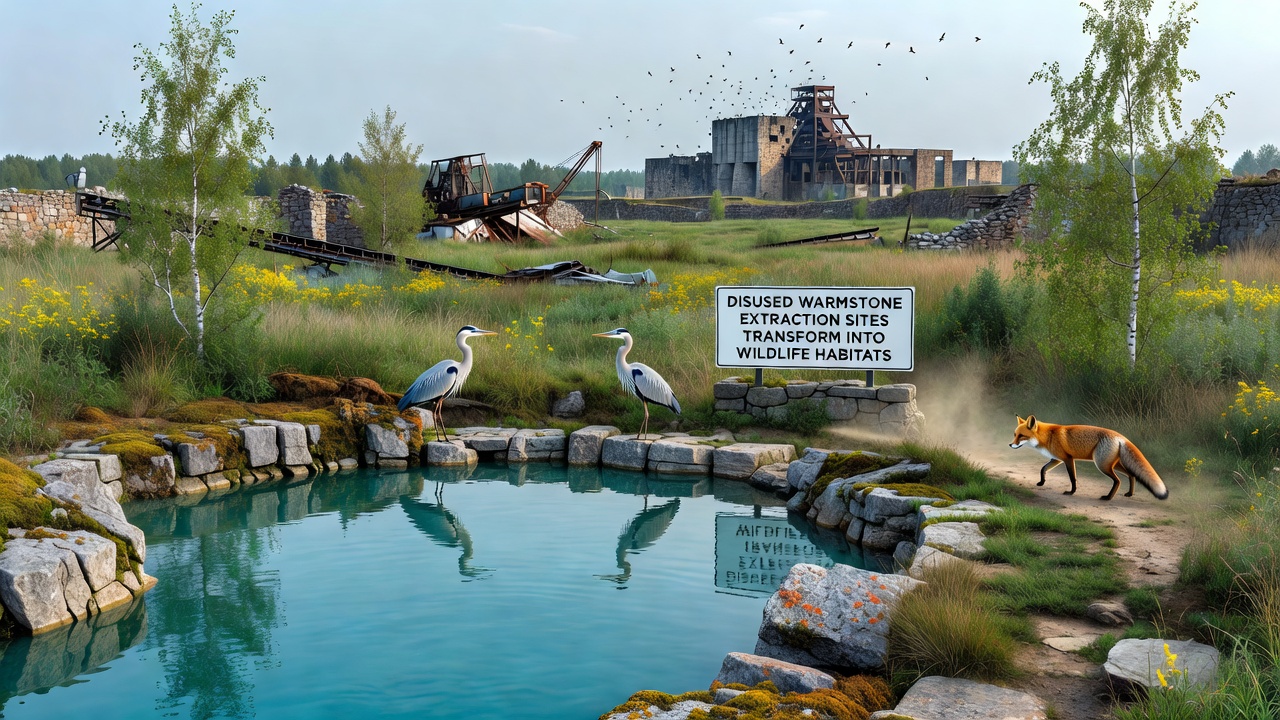
Observers working with regional wildlife trusts report that connectivity between sites has improved as corridors of vegetation link former quarries to surrounding countryside. This linkage allows larger animals to move between patches of habitat that were once isolated. Figures compiled by the Australian Department of Climate Change, Energy, the Environment and Water on analogous post-mining landscapes suggest similar patterns occur when extraction ceases and natural processes resume without further disturbance.
Restoration Techniques and Monitoring Results
Land managers have applied a range of approaches at different locations, from allowing passive revegetation to active seeding and contouring of spoil material. Where operators introduced native seed mixes and controlled invasive species, canopy cover developed more rapidly and supported a wider range of understory plants. In contrast, sites left entirely to natural recolonization show slower but steady gains in structural diversity over longer timescales.
According to records maintained by Natural England, annual bird counts at selected warmstone sites have risen consistently since 2015, with several species now recorded nesting that were previously documented only during migration. Water quality measurements taken at ponds within quarry basins indicate improving conditions as surrounding vegetation filters runoff and stabilizes banks. These changes align with findings from the U.S. Environmental Protection Agency on post-extraction wetland formation in comparable geological settings.
Species Return and Habitat Functionality
Long-term monitoring has identified returning populations of bats that roost in remaining rock faces and forage over the new pond systems. Small mammals have established burrows in soil that accumulated over decades, while reptiles use exposed stone and sunny banks for thermoregulation. Plant communities have shifted from pioneer species to more stable assemblages that include shrubs and young trees in areas protected from grazing pressure.
Researchers note that the October 2026 data sets show measurable carbon sequestration in vegetation at these sites, adding an additional function beyond wildlife support. The same datasets record seasonal water retention that reduces downstream flooding risk in adjacent agricultural zones, demonstrating how habitat formation produces measurable hydrological benefits alongside biodiversity gains.
Conclusion
Former warmstone extraction sites continue to develop ecological value as vegetation matures and species assemblages stabilize. Ongoing monitoring by government agencies and academic groups provides records that track these changes across decades, offering evidence that extraction landscapes can support functional habitats when left to recover or assisted through targeted management. The patterns observed in 2026 data sets indicate that such transformations occur over extended periods and depend on local geology, climate, and the extent of prior disturbance.