Jordan Schmitt · 5 September 2026
Hand-Crafted Warmstone Elements Reappear in Global Sustainable Building Trends
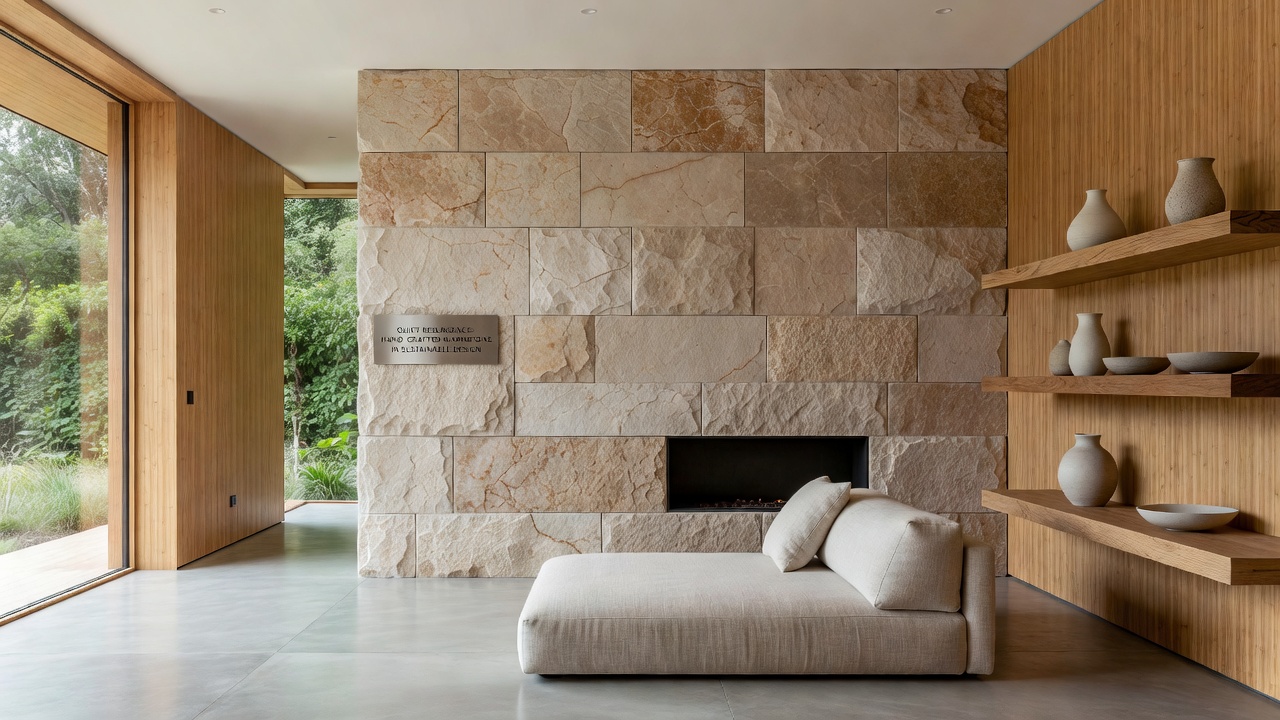
Hand-crafted Warmstone elements have started appearing in sustainable design projects across multiple continents, where architects and builders integrate locally sourced stone with low-impact construction methods. Warmstone, a durable limestone variant quarried in specific UK regions, offers thermal mass properties that help regulate indoor temperatures without mechanical systems. Data from industry reports indicate rising demand for such materials in projects aiming for net-zero certifications.
Historical Roots Meet Contemporary Needs
Traditional stone masonry techniques once dominated building practices before industrial methods took over in the mid-20th century. Researchers at several European institutions have documented how hand-finishing processes for Warmstone reduce waste compared to machine-cut alternatives, while preserving the material's natural porosity for moisture regulation. Projects in heritage restoration first revived these methods, and those approaches have since transferred to new constructions focused on circular economy principles.
Technical Advantages in Sustainable Frameworks
Builders select Warmstone for its compressive strength and ability to pair with insulation systems that meet modern energy codes. According to findings from the Natural Stone Institute in the United States, stone elements like these contribute lower embodied carbon when sourced regionally and finished by hand rather than through energy-intensive automation. In Australia, government sustainability guidelines reference similar natural materials in guidelines for commercial developments seeking Green Star ratings.
One study from the University of British Columbia examined thermal performance in structures using hand-crafted stone cladding and found measurable reductions in heating loads during seasonal shifts. These results align with data collected from completed buildings in temperate climates where Warmstone appears in both interior partitions and exterior rainscreen assemblies.
Project Examples and Adoption Patterns
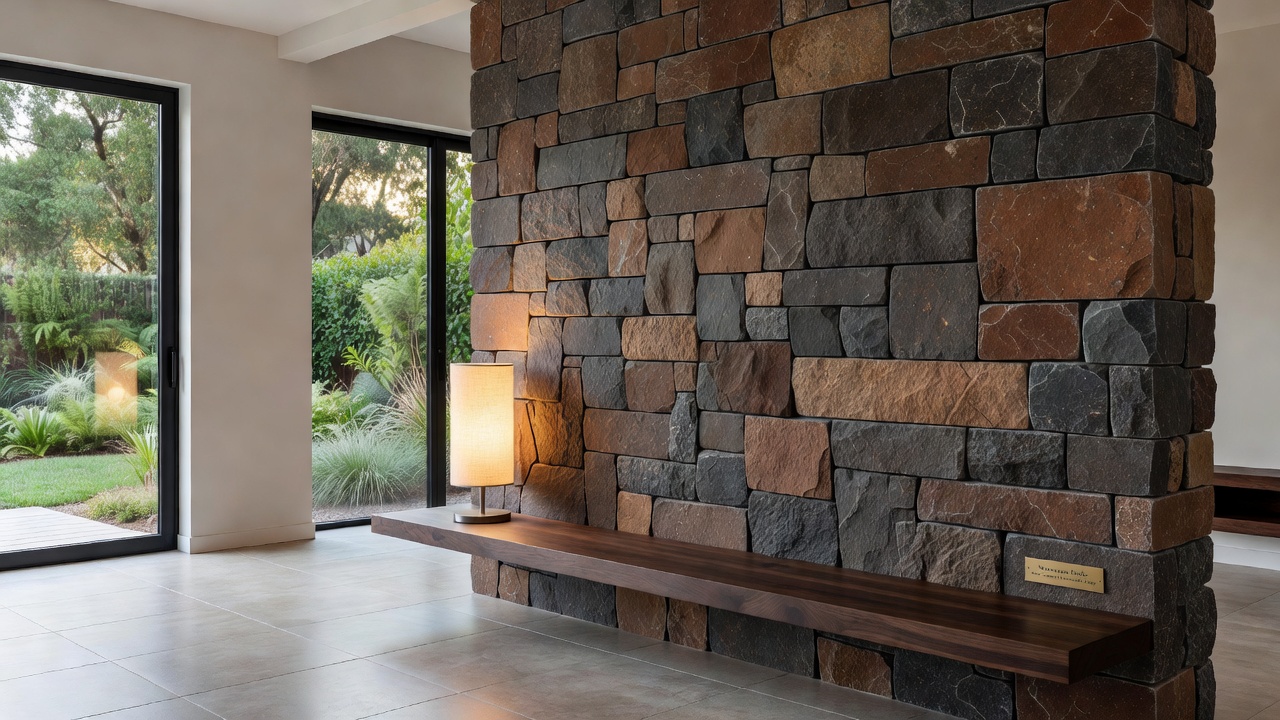
Design teams in northern England incorporated hand-finished Warmstone lintels and sills into a mixed-use development completed last year, combining the material with recycled steel framing. Similar applications have emerged in Scandinavian cooperative housing, where local regulations encourage use of durable, repairable components. Observers note that skilled masons trained in historic methods now collaborate with digital modeling software to achieve precise fits while retaining visible tool marks that add texture.
Supply chain analyses show increased orders for Warmstone blocks prepared with traditional chiseling and splitting techniques. These methods allow customization on site, which cuts transportation emissions associated with oversized prefabricated pieces. European Union directives on material traceability have further supported this shift by requiring documentation of extraction and processing impacts.
September 2026 Developments
Industry events scheduled for September 2026 include a symposium on artisanal stone integration hosted by a Canadian research consortium, where case studies will examine Warmstone alongside comparable materials from North American quarries. Updated building codes in several jurisdictions are also set to take effect around that period, emphasizing repairability and material longevity over replacement cycles.
Skill Preservation and Training Initiatives
Vocational programs in the UK and Ireland have expanded curricula to include Warmstone working techniques, responding to demand from design firms seeking certified craftspeople. Figures from trade associations reveal steady enrollment growth in these courses since 2023. Partnerships with universities in Germany and the Netherlands have produced technical papers detailing best practices for combining hand-crafted stone with modern vapor-open wall systems.
Conclusion
Market tracking data and project documentation confirm the integration of hand-crafted Warmstone into sustainable design continues at a measured pace. Builders and designers rely on established material properties alongside evolving standards for low-carbon construction. External references such as reports from the Natural Stone Institute and University of British Columbia studies provide supporting context for these applications across different regulatory environments.